Research
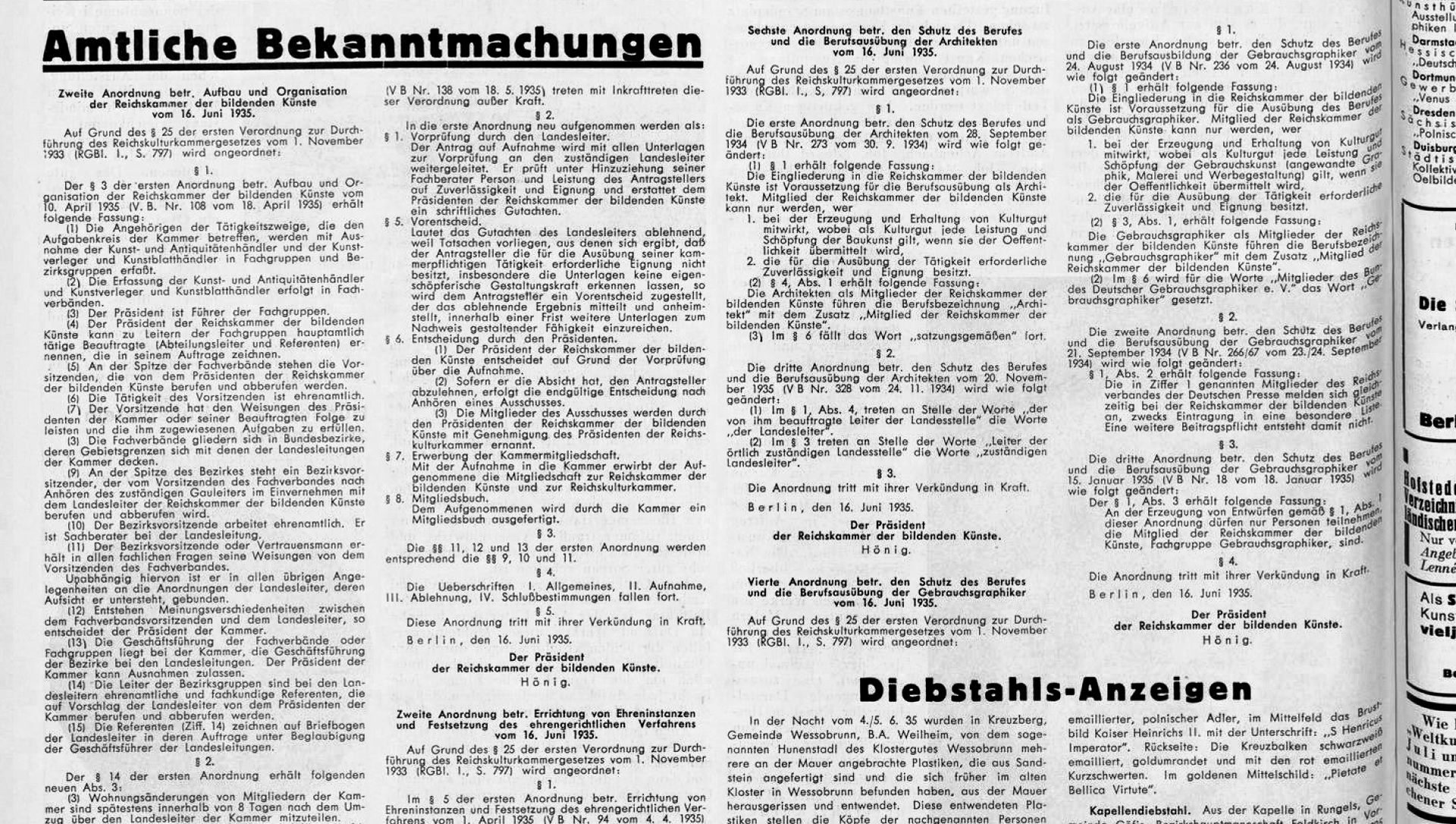
Architects Act / Architektengesetz
Thoughts on the legal definition
In many European countries, laws define what an architect is and when someone may call themselves one. This has not always been the case. In Germany, the first attempt to describe and thereby exert control over the profession came in 1934 but was soon abolished, and a second attempt in the 1960s also failed.
The development of legal frameworks for architects throughout the 20th century illustrates how the profession evolved from an unprotected title to regulated chamber laws, a process full of tensions between professional interests.
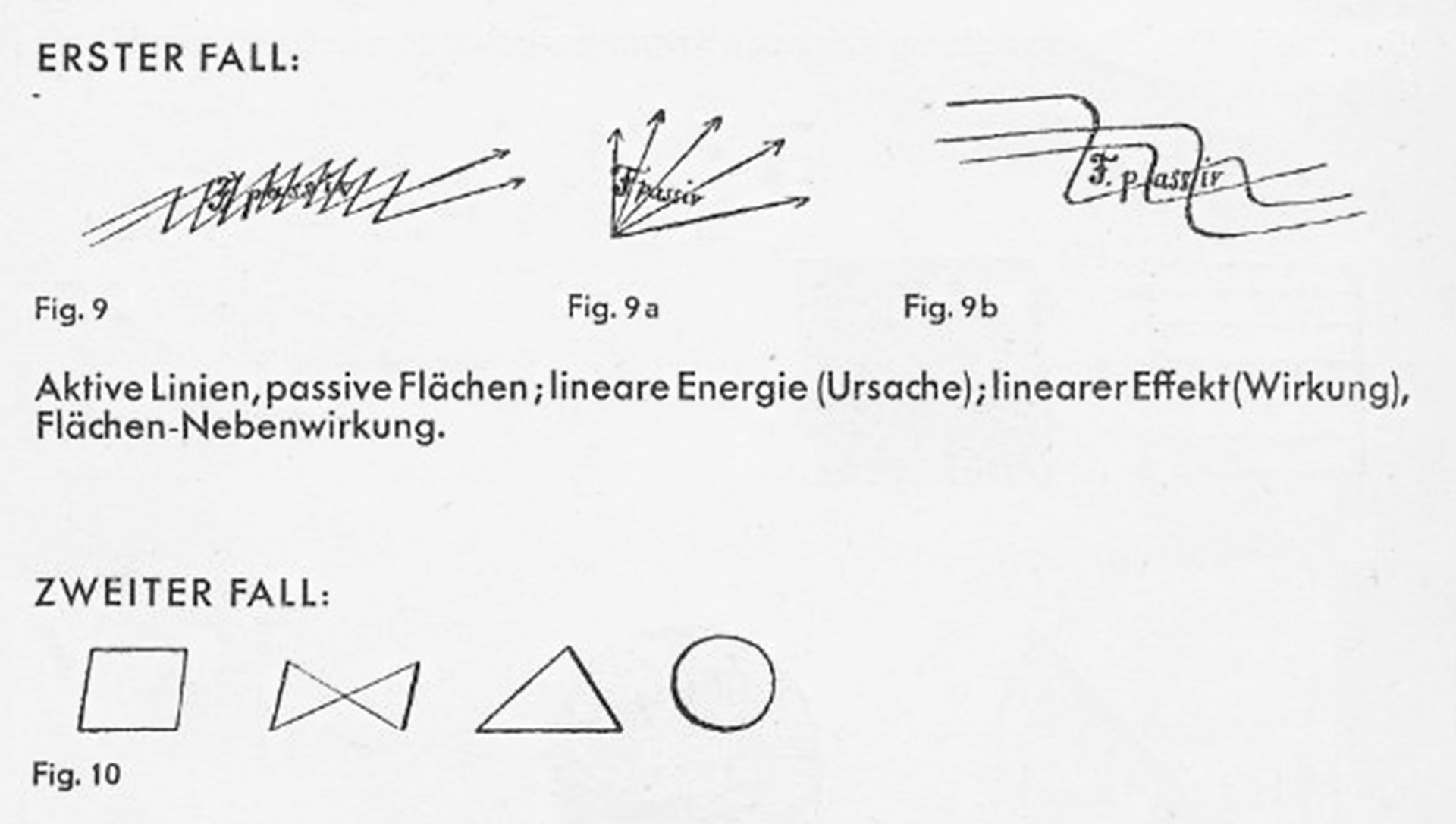
Scientific Aesthetics
The traces of early twentieth century ästhetics
At the end of the nineteenth century and the beginning of the twentieth, the world saw a growing interest in scientific aesthetics—the study of beauty using empirical methods such as experiment and statistics.
Scientific aesthetics caught the interest of modernist architects. It infiltrated both academia and modernist manifestos, and played a special role within the unstable cultural and political milieu of Russia at the time.

Cybernetic Dreams
„Computation and cybernetics began … with a flourish of romanticism. Rich in exciting ideas, they flourished quickly, unburdened by … excessive caution.“
(Minsky 6 Papert, Perceptron, 4)
Soon after 1945 scientists began to gather around the idea of an interdisciplinary science capable of explaining a wide variety of phenomena across diverse fields, architects too, started to imagine a new kind of architecture: one based on self-learning systems and feedback loops.
The Dictionary in S,M,L,XL
From Heteroglossia to Unlimited Semiosis
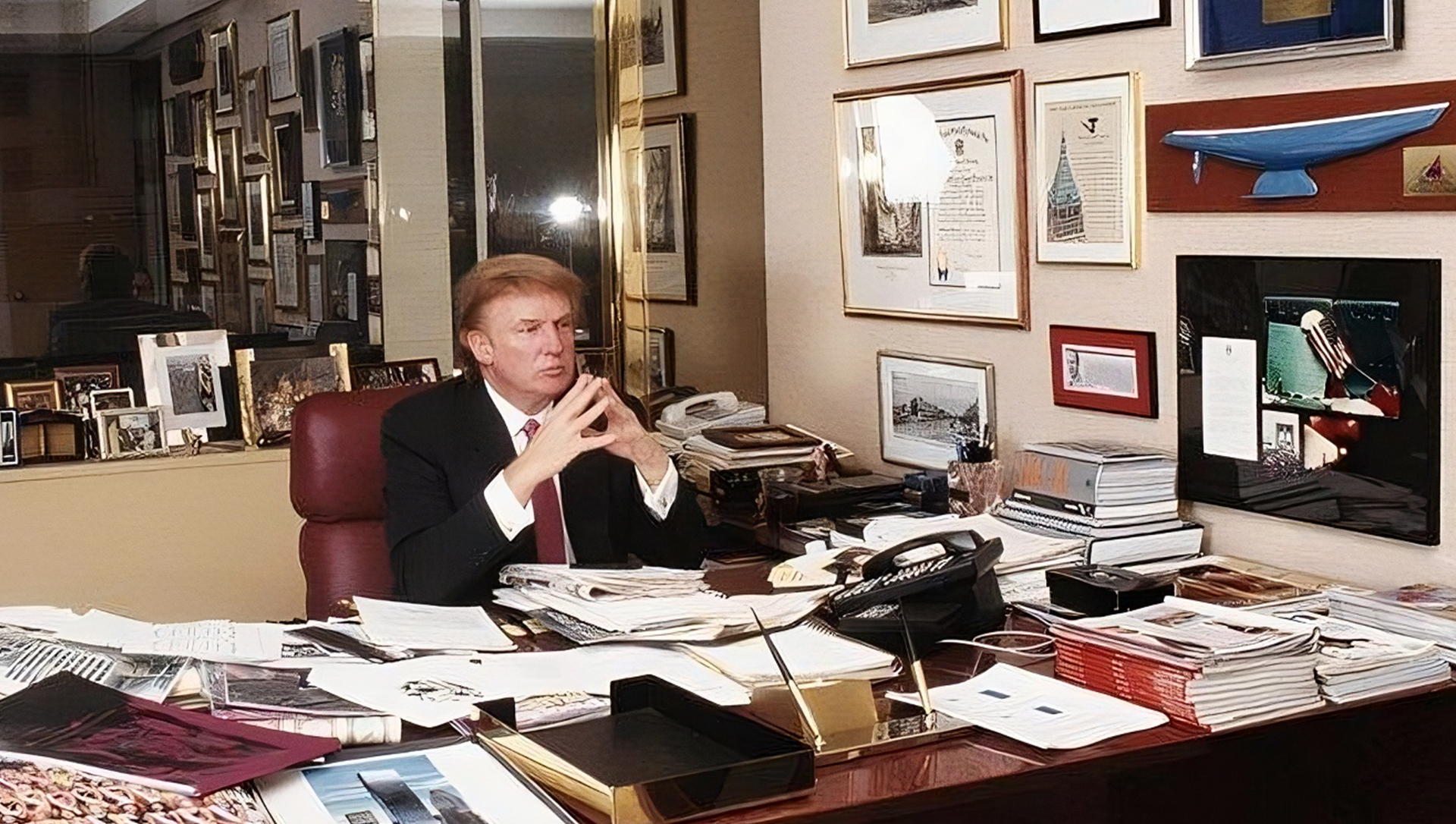
In the 1990s, Donald Trump was photographed with S, M, L, XL on his office desk. The two have something in common: surfing the wave of capitalism and playing with the ambiguities of meaning, adopting a seemingly madman-like attitude toward the factual.
This text analyzes the dictionary in the margins of S, M, L, XL against the backdrop of modernism, the counterculture of the 1960s, and the philosophical ideas that accompanied them.