Research
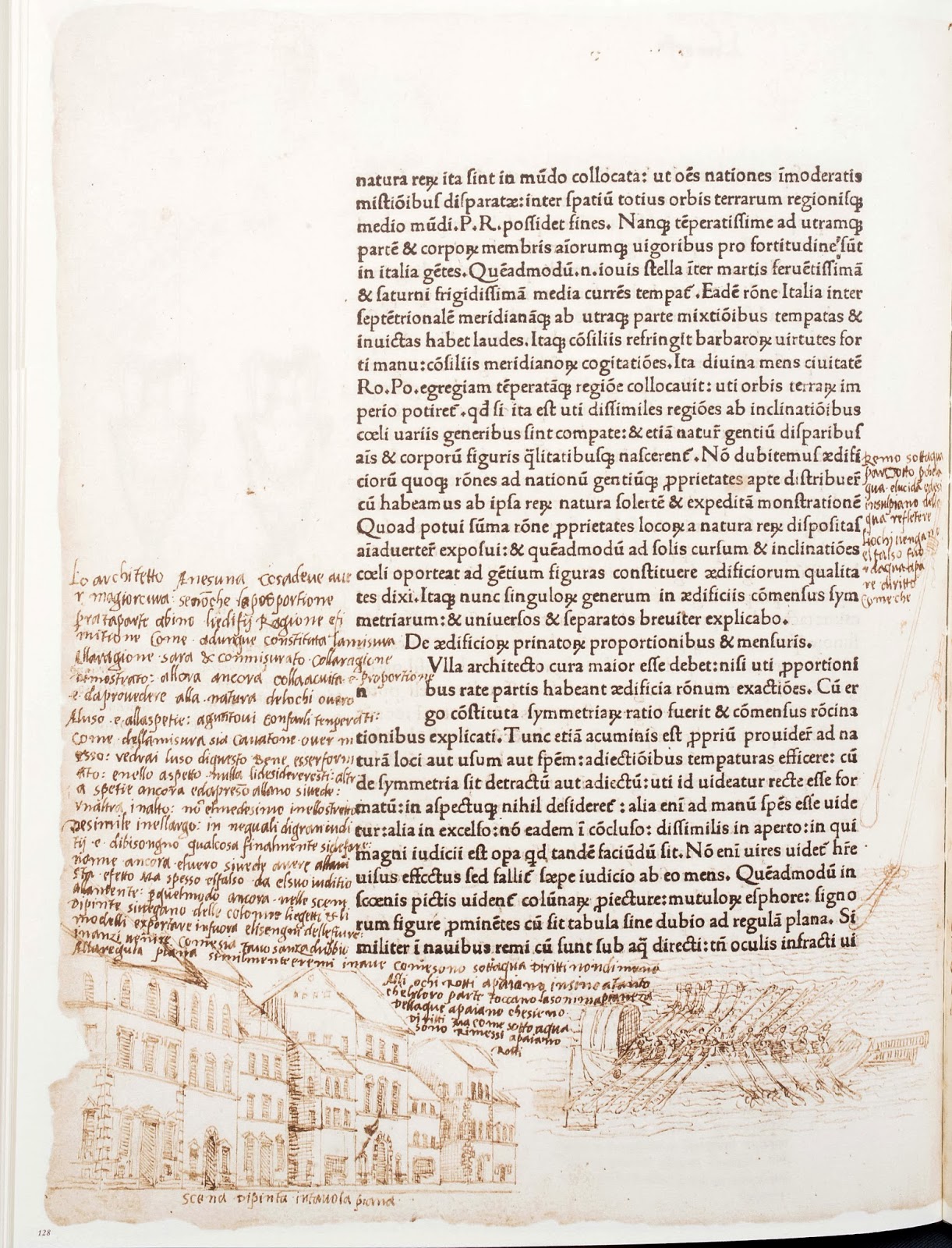
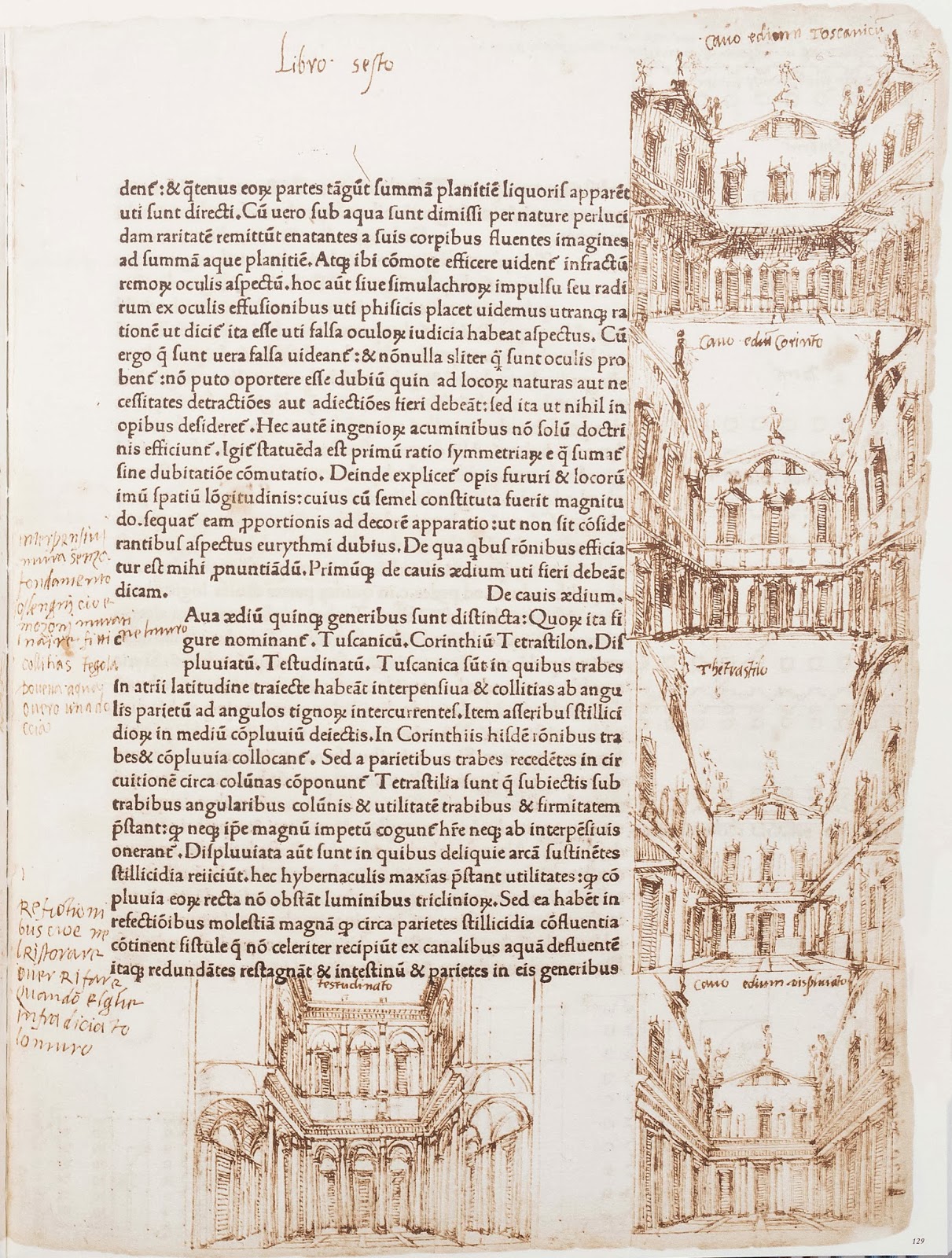
Architectural Marginalia
The margins of texts, often become their own locus.
From Pliny the Elder’s Historia Naturalis to medieval glóssae and the marginalia of architects such as Giovanni Battista da Sangallo and Inigo Jones, the history of dictionaries and architectural texts reveals a shift from subjective accumulation to systematic knowledge.
In the age of Humanism, the margins of printed books acted as spaces for annotation, sketching, and dialogue, mediating between observation and theory.
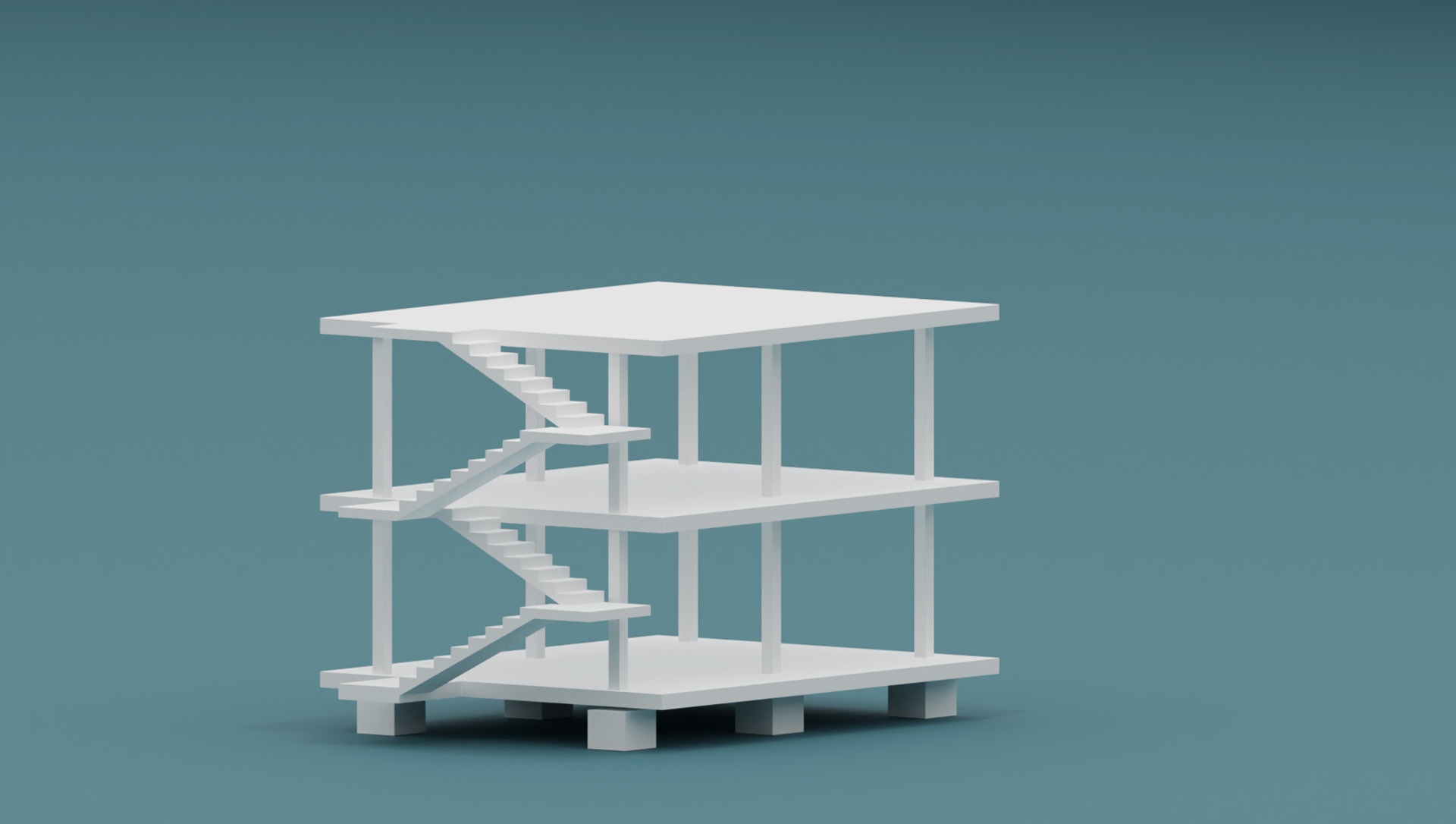
On the Digital Model
Rethinking digital models
The digital model can now be used far beyond its conventional purpose, enabling analysis of construction, functionality, and visual appeal. Digital tools serve for structural analysis, climate simulation, cost calculation, and archiving design ideas. Think of BIM, algorithms, genetic modeling, and FEM.
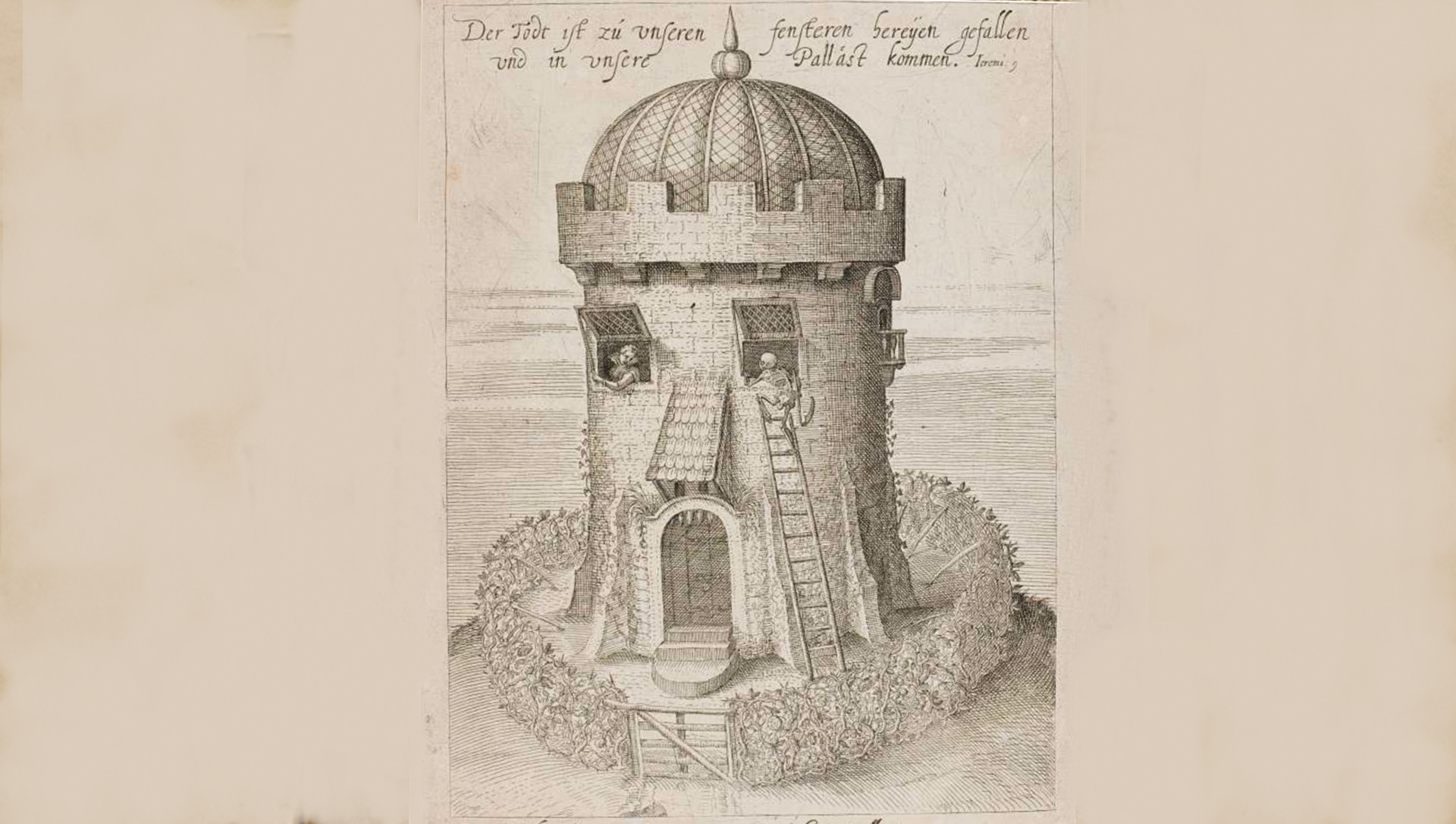
Architectural Psychology
Questions about early Architectural Psychology……
The idea of chance became central for the Dadaists and Surrealists of the 1920s as a counterpoint to a controlled, even positivist modernity. Artists like Marcel Duchamp explored the creative principle of par hasard, letting threads fall freely to the floor in 1914, while the objet trouvé shaped art for decades. Chance was discovered as both an objective and subjective force, materialized in art and linked to the unconscious. It appeared liberating and revolutionary, defining the prototype of the avant-garde.

Lexical Ambiguety
Is it a Bunny or a Duck?
The idea of chance became central for the Dadaists and Surrealists of the 1920s as a counterpoint to a controlled, even positivist modernity. Artists like Marcel Duchamp explored the creative principle of par hasard, letting threads fall freely to the floor in 1914, while the objet trouvé shaped art for decades. Chance was discovered as both an objective and subjective force, materialized in art and linked to the unconscious. It appeared liberating and revolutionary, defining the prototype of the avant-garde.